
Understanding substrate preparation for polished plaster
To achieve the expressive finishes of polished plaster requires attention to detail when prepping your surface. Like any wall finish, the final result comes down to the substrate beneath it. This is no different from paint or wall coverings. Good preparation leads to a good outcome.
From a construction point of view, preparing a surface for polished plaster is not more difficult than preparing for paint. In most cases, a standard Level 4 finish, flat, dry, and free of visible defects, is all that is required. The confusion usually comes from the word “plaster”. It is often assumed that it will behave like a stoping compound and correct imperfections in the wall. That is not the case.
Polished plaster is a thin decorative finish, usually around 1 to 1.5mm. It is not designed to fill gaps, level surfaces, or correct poor workmanship. If the substrate is not finished properly, those issues will remain visible.
Polished plaster does not require a higher standard than paint. It simply relies on the substrate being finished correctly.
Substrate preparation: comparable to paint
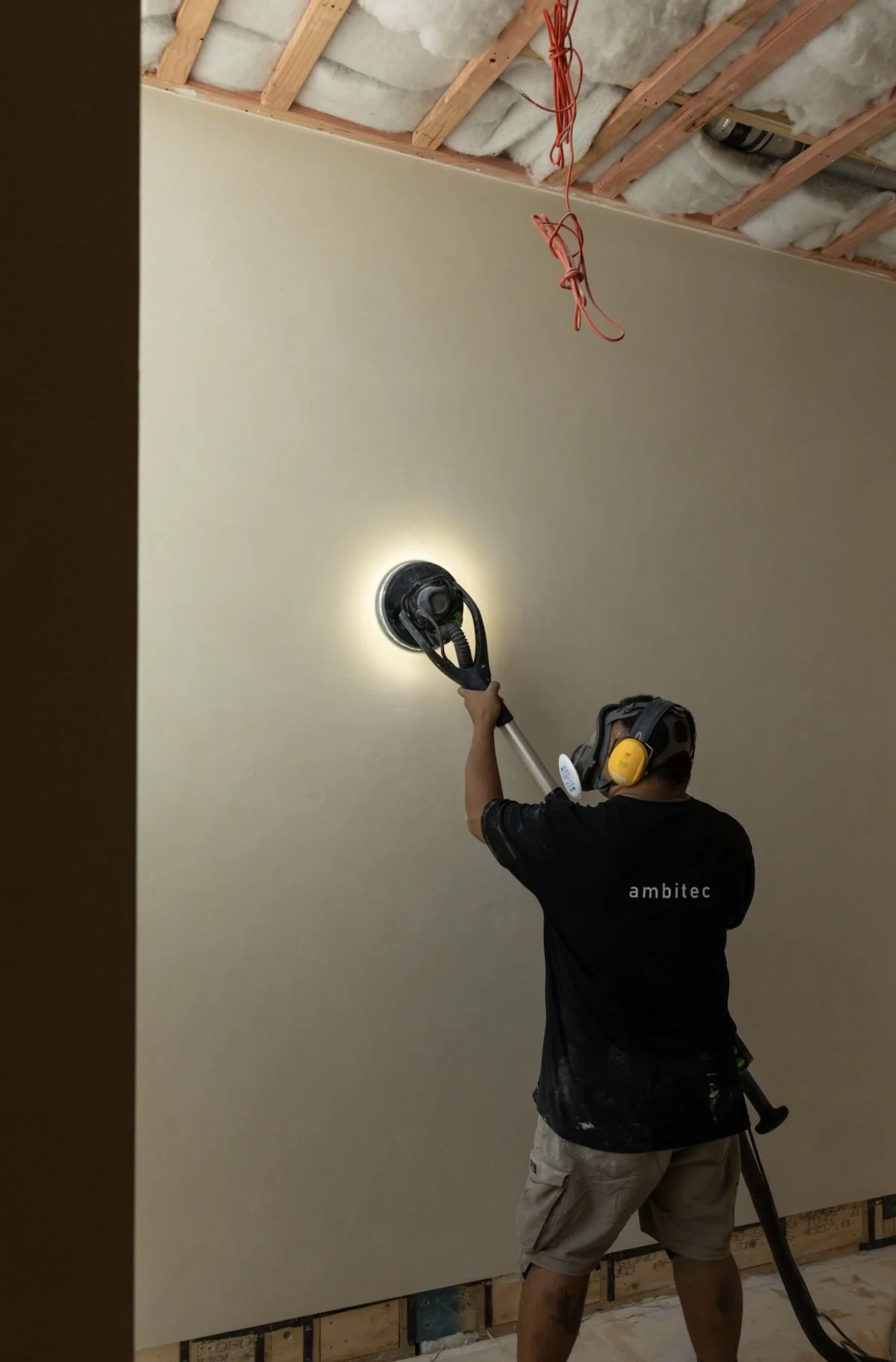
Polished plaster is applied over surfaces that meet a Level 4 plasterboard finish.
In practical terms, this means:
Boards are properly installed and stopped as per manufacturers requirements
Surfaces are smooth and even
The wall is clean, dry, and ready for finishing
Walls also need to be straight and stable, within standard tolerances, and free from movement in the lining. These are standard requirements for any quality paint finish.
Where detailing really matters
The main difference with polished plaster is not just the wall preparation. It is the level of attention needed in the detailing.
Because the finish is thin, it will follow the surface exactly as it is.
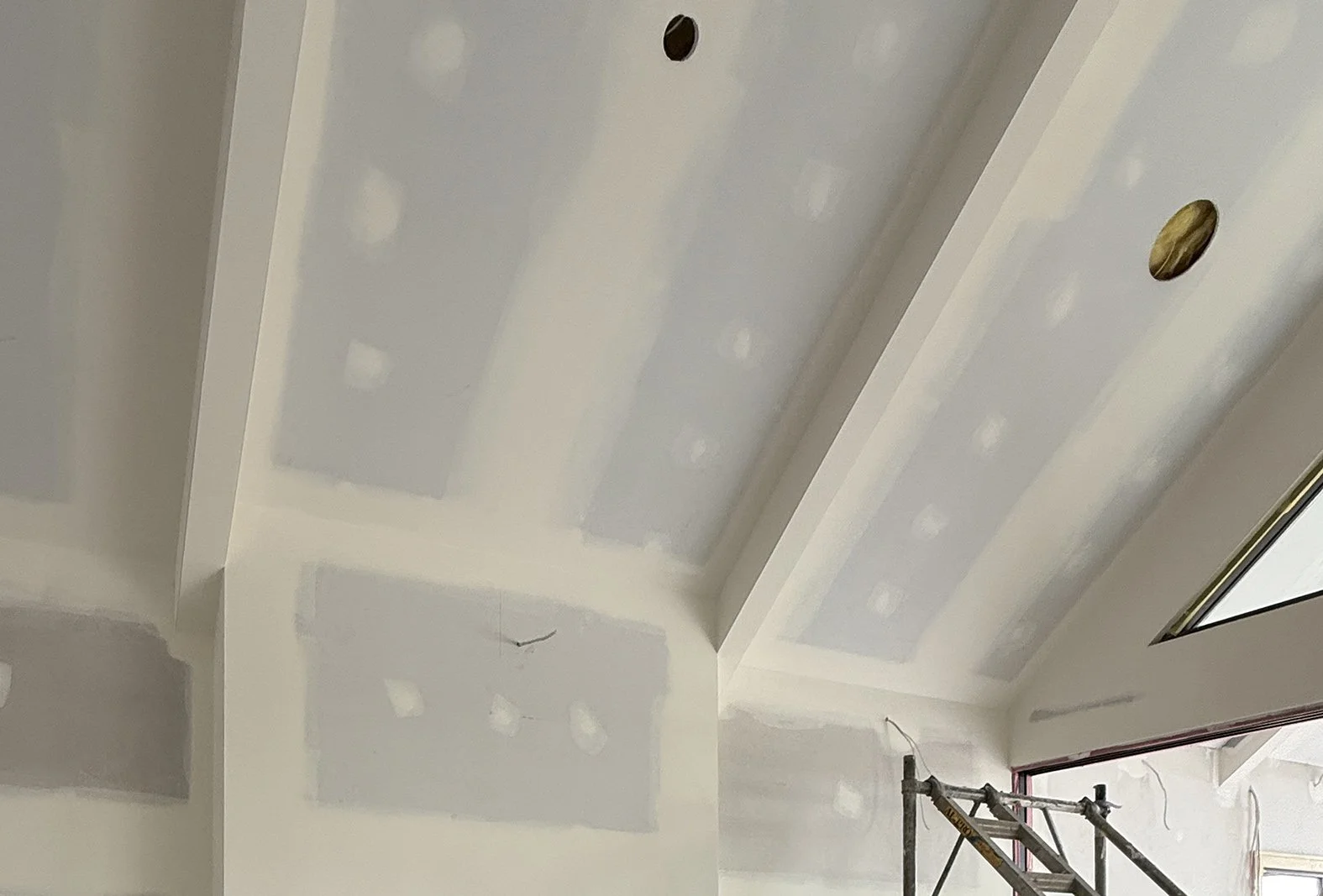
All penetrations need to be in the right place and the right size before work begins. If changes are made later, the repair will be visible. Matching a polished surface is similar to matching a natural material such as timber.
Polished plaster will not:
Fill gaps left around power points or plumbing
Hide oversized holes
Disguise patching
Edges and junctions also need to be clean and sharp, free from excess stopping compound and ready for masking.
Any build-up of compound around joinery, skirting, or tiles needs to be removed before finishing. The plaster will follow what is already there. It will not correct untidy edges.
Early coordination reduces risk
Polished plaster outcomes are often influenced by decisions made early in the project.
Engaging with the plaster system and installation requirements during the design and planning stage helps ensure that:
Substrate specifications are clearly defined
Junctions and material transitions are properly detailed
Penetrations and set-outs are coordinated before lining begins
Where these considerations are addressed early, the risk of rework is reduced and a more consistent result can be achieved.
Why architects and designers choose polished plaster
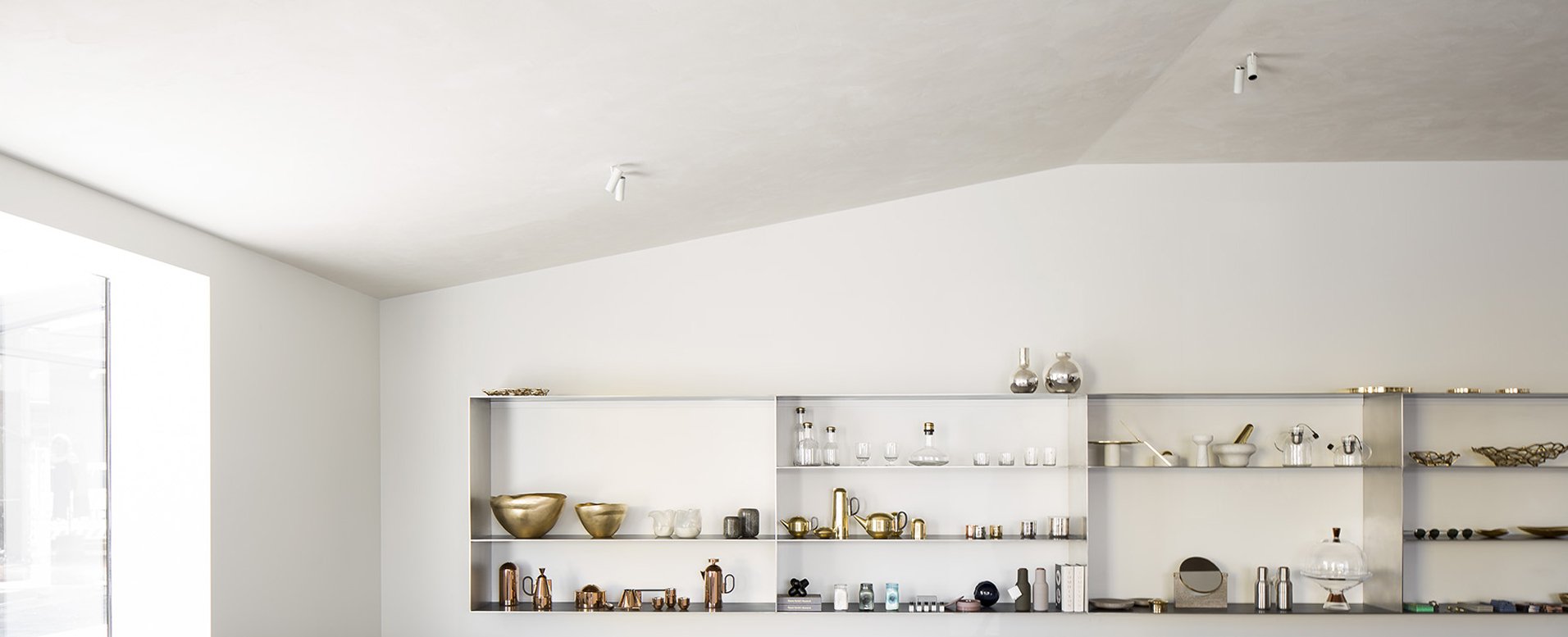
Polished plaster is often specified as an alternative to paint in high-end projects. It offers depth and movement to the surface, helping to read more consistently across large areas or in difficult lighting conditions.
It is commonly used when:
Walls are exposed to strong natural or directional light
A Level 5 paint finish is difficult to achieve consistently
A more refined, material-driven finish is desired
For designers, this gives more control over how a space feels and looks once complete.
What this means in practice
Polished plaster is not a more difficult finish than paint, but it does behave differently. It relies on the work that comes before it rather than correcting it. As a thin-applied finish, it will follow the substrate exactly as it is presented. It will not fill gaps, straighten edges, or resolve poor set-outs.
When the substrate is properly prepared to a consistent Level 4 standard and the detailing is accurate, polished plaster provides a reliable and high-quality result. It can also offer a more controlled visual outcome in spaces where paint finishes are harder to manage, such as large wall areas or surfaces exposed to strong natural light.
For builders and designers, the takeaway is simple. Treat polished plaster like any other premium finish. Get the basics right, pay attention to the details that matter, and install it at the right stage of the build. When those elements are in place, polished plaster becomes a practical and effective way to achieve a refined architectural finish.