
Lighting & Texture: Enhancing Interiors with Polished Plaster Finishes
Polished plaster has become a familiar presence in architectural spaces, though its success relies on more than surface appearance alone. Light and its orientation can be determining factors in how the finish is read. This in combination with the colour, texture and polish level must be considered simultaneously when samples are prepared for approval.
In New Zealand architecture, where light can shift dramatically from one hour to the next, that’s a point not to overlook.
Polished plaster with a smooth texture and high polish tends to give off an even reflection, while textured surfaces introduce shadow and variation. Subtle differences in tone won’t be picked up in full sunlight, but become more apparent under filtered or indirect light. By understanding how lighting, colour and texture interplay, designers can specify finishes that are successful from the sample boards to the finished walls.
Two of our recent projects, Westmere House and the Fisher & Paykel Auckland Experience Centre, are great examples of how materials from the same family can be tuned to suit entirely different high-end interiors.
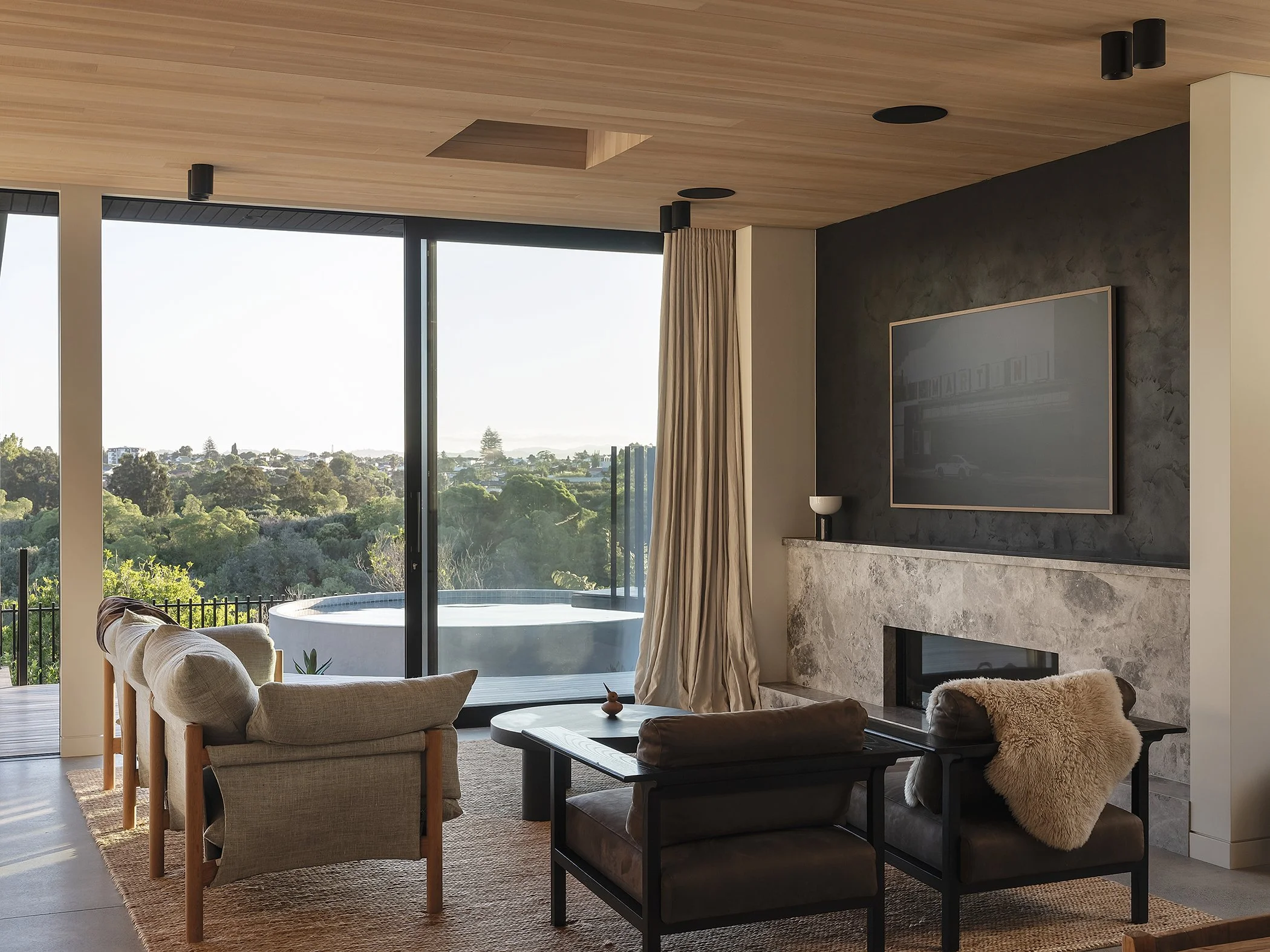
Low light lifestyle on a south-facing site, Westmere House
Westmere House sits on a steep, south-facing site that descends from the street, forming layers of living throughout. With low natural light, polished plaster was used as dramatic focal points in curated areas of the home.
Instead of using the wall material to brighten, the vision was for it to carry depth and warmth as natural daylight diminished. Ambitec’s Suave polished plaster was specified with a medium texture and polish in Beautiful Black, allowing depth to develop as daylight diminished. The surface absorbs light rather than reflecting it, which allows the texture to register as light washes across the space.
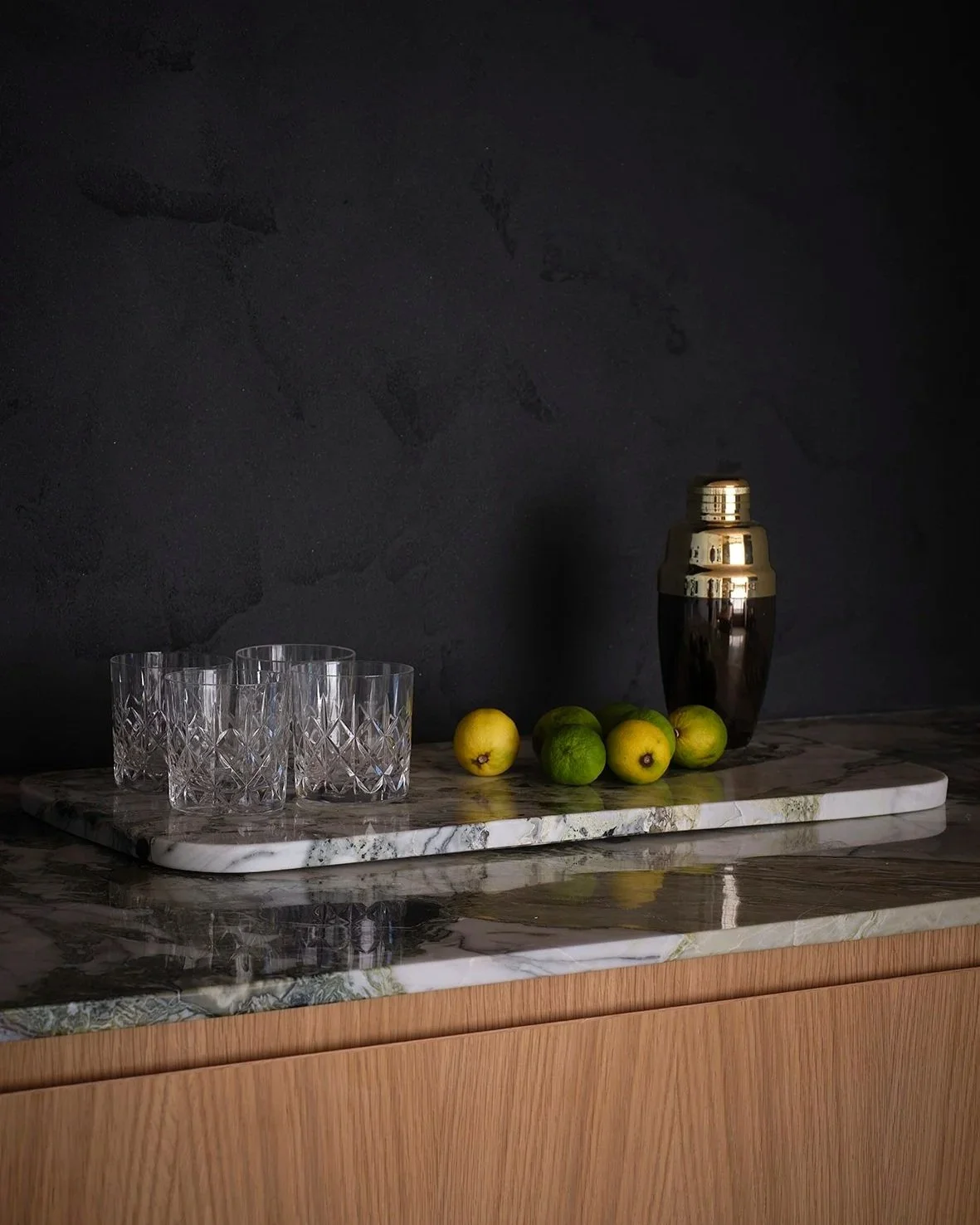
Consistency and control, Fisher & Paykel Experience Centre
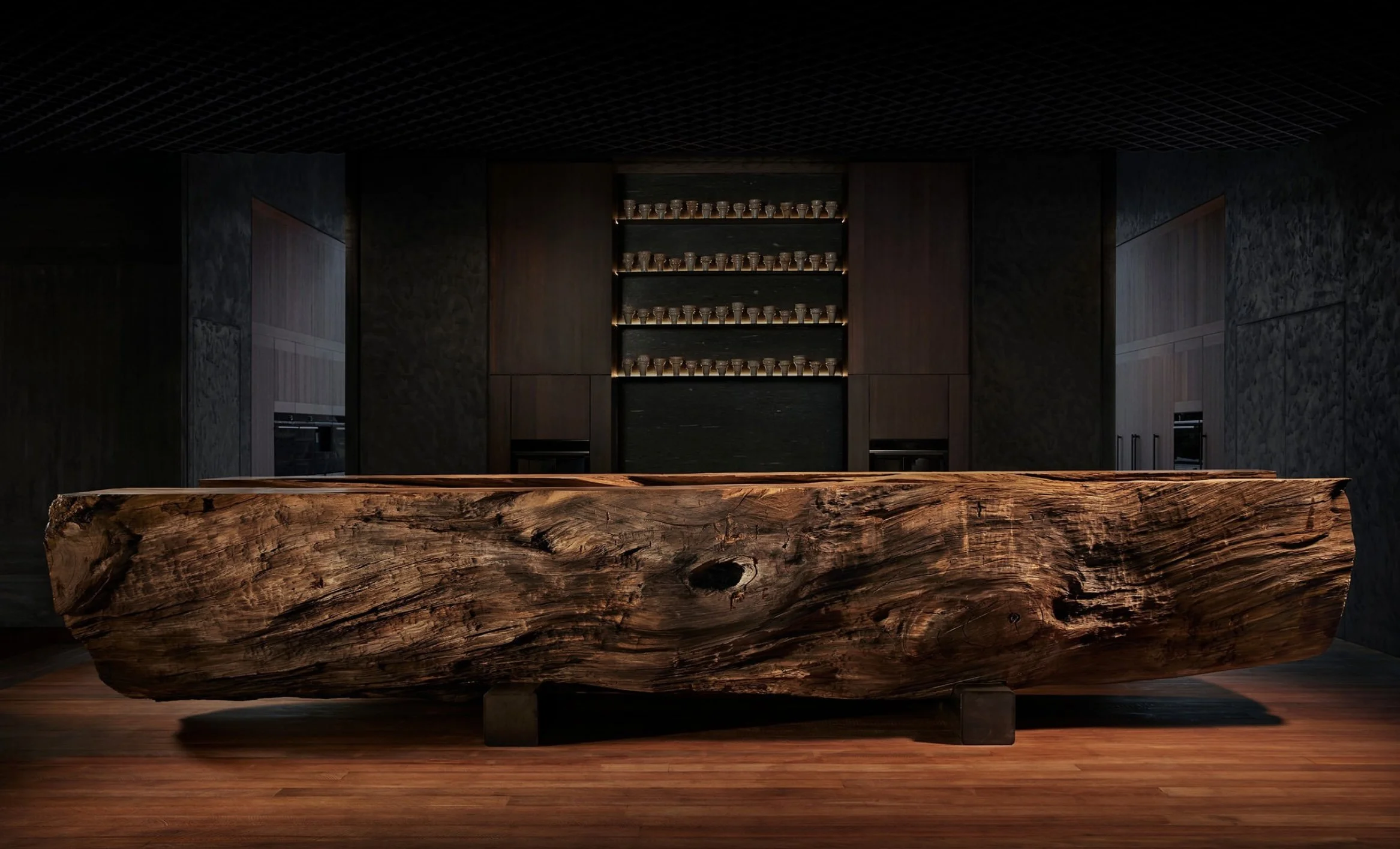
The Fisher & Paykel Auckland Experience Centre relies on artificial light rather than natural light to showcase its products. Here, lighting is carefully controlled and designed to guide visitors through a sequence of immersive zones. Spaces feature commercial, cultural and sculptural moments, all of which need to be complemented without competing for focus.
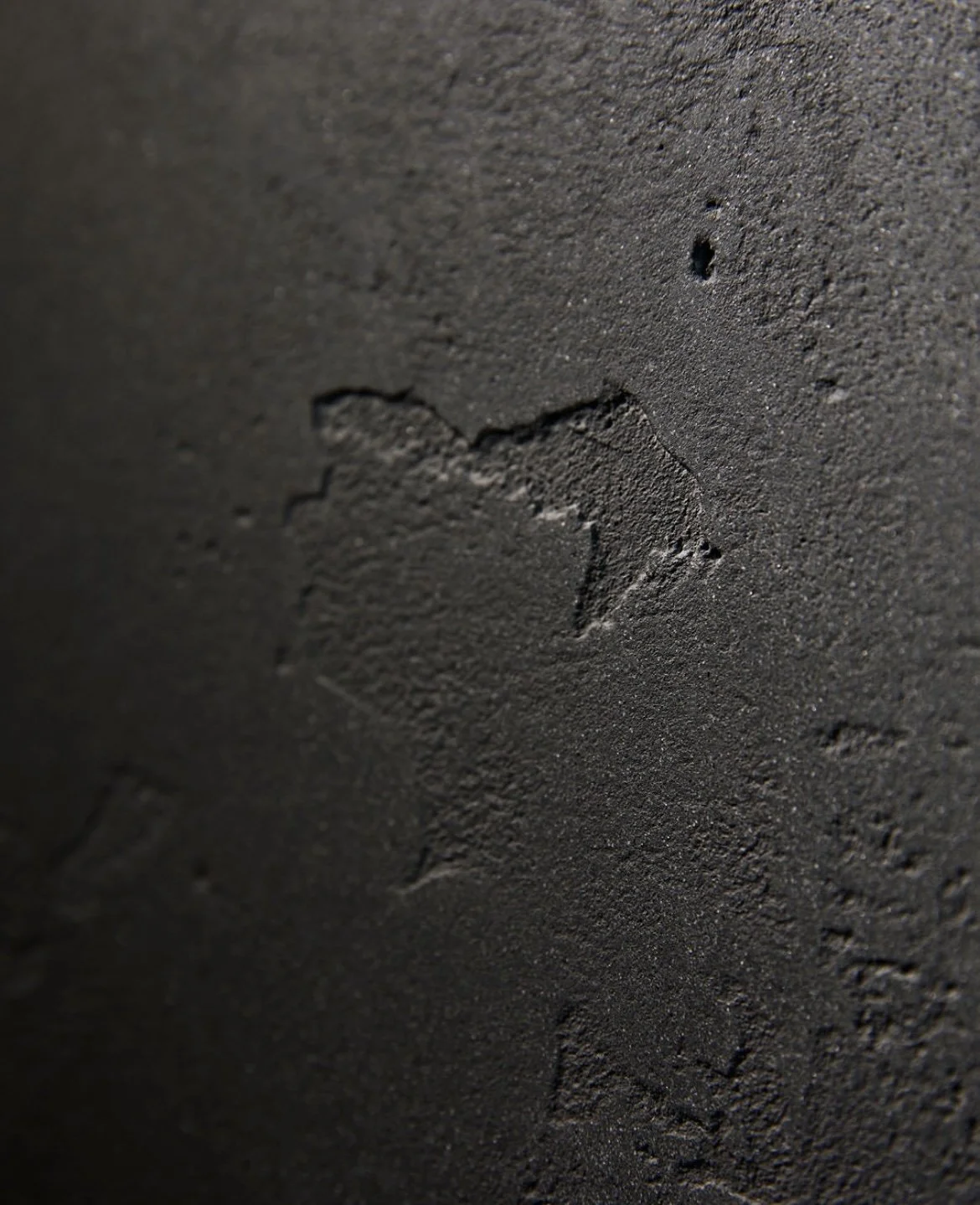
For this project, the wall finish would need to perform consistently under varied lighting. Ambitec SuaveCrete in Beautiful Black was chosen, with its heavy-textured properties enhanced further by the inclusion of black sand aggregate. The heavier texture introduces depth, while a low-grade polish was used to limit glare under directional and spot lighting. Texture is ever-present, but as a backdrop that adds to the atmosphere rather than demanding attention.
Designing with context in mind
As these past projects show, polished plasters may be similar in name, but they can be vastly different in nature. In one case, the plaster’s texture softens and absorbs daylight; in the other, it adds depth and substance under artificial light. Architectural wall finishes with polished plaster can give you ultimate flexibility to create your vision.
For support specifying architectural finishes, begin by exploring our technical guidance or connect with our team to discuss your project.