Custom colours for polished plaster
Colour is an important consideration when specifying polished plaster. Unlike paint, where colour is applied as a uniform surface coating, the colour of polished plaster interacts with the texture, polish and natural variation of the material. Light also affects how the colour is perceived, meaning the same colour can appear quite different depending on the finish and environment.
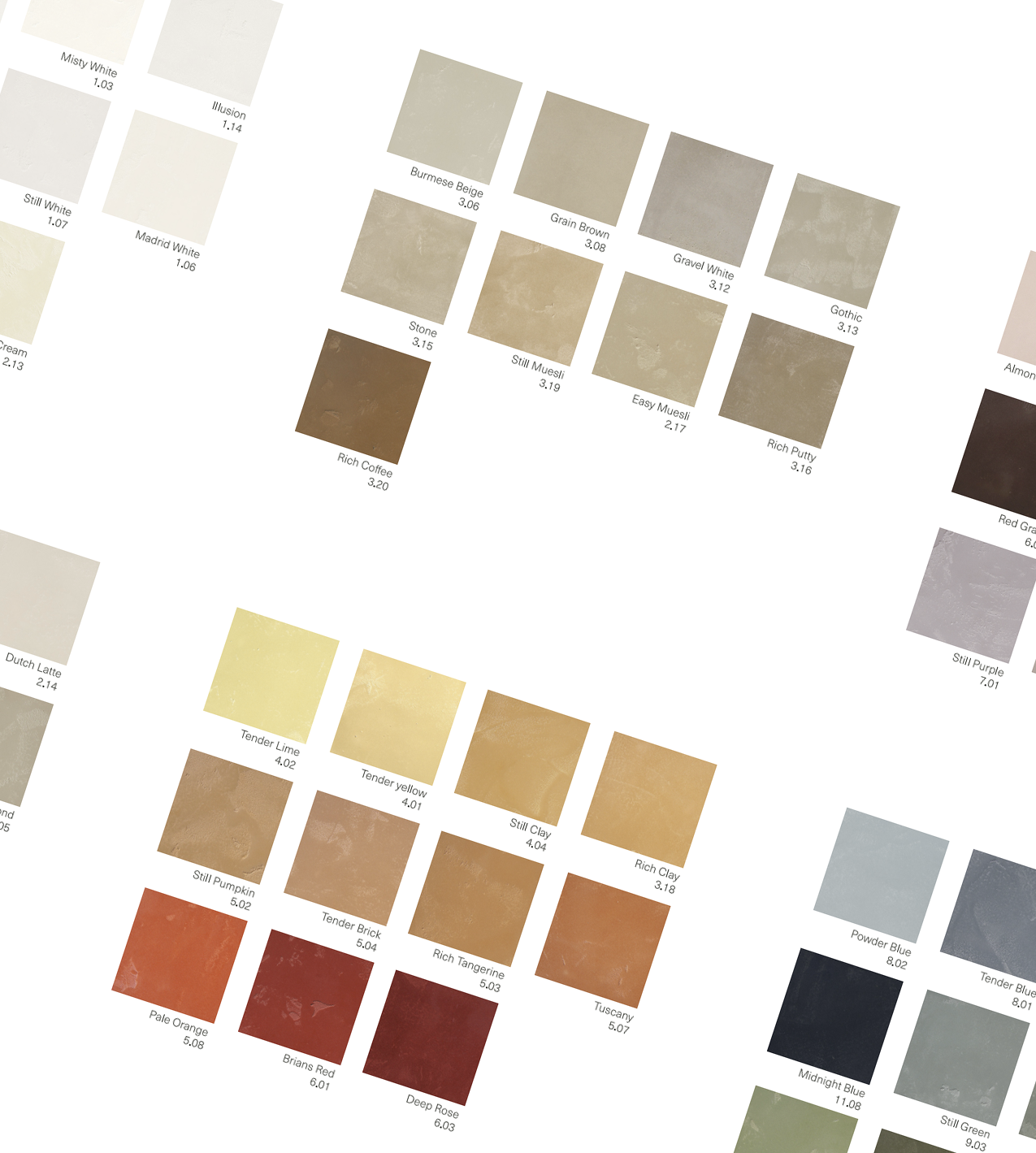
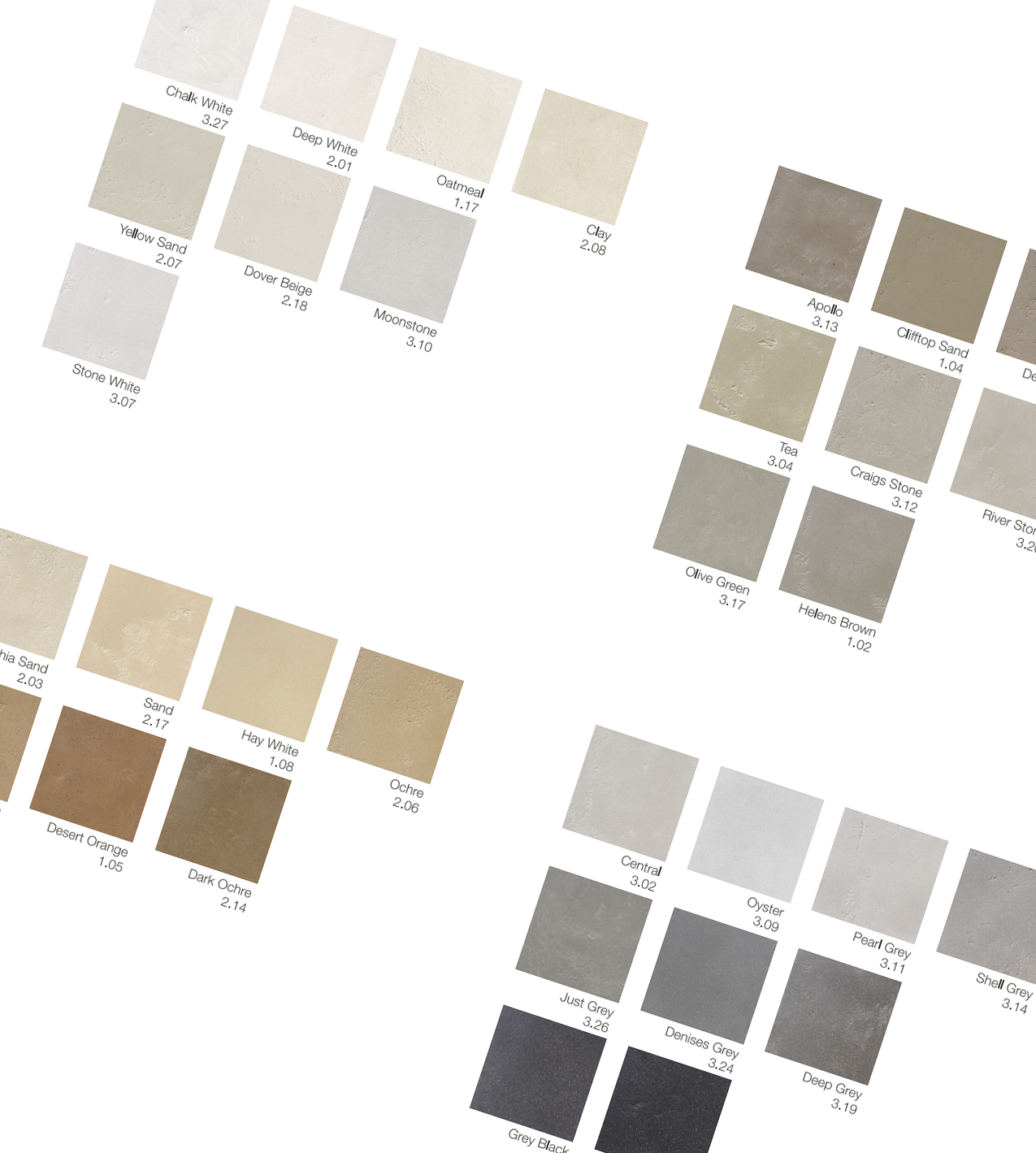
Ambitec offers a range of standard colours across our plaster products, as well as a bespoke colour matching service for projects requiring a specific colour.
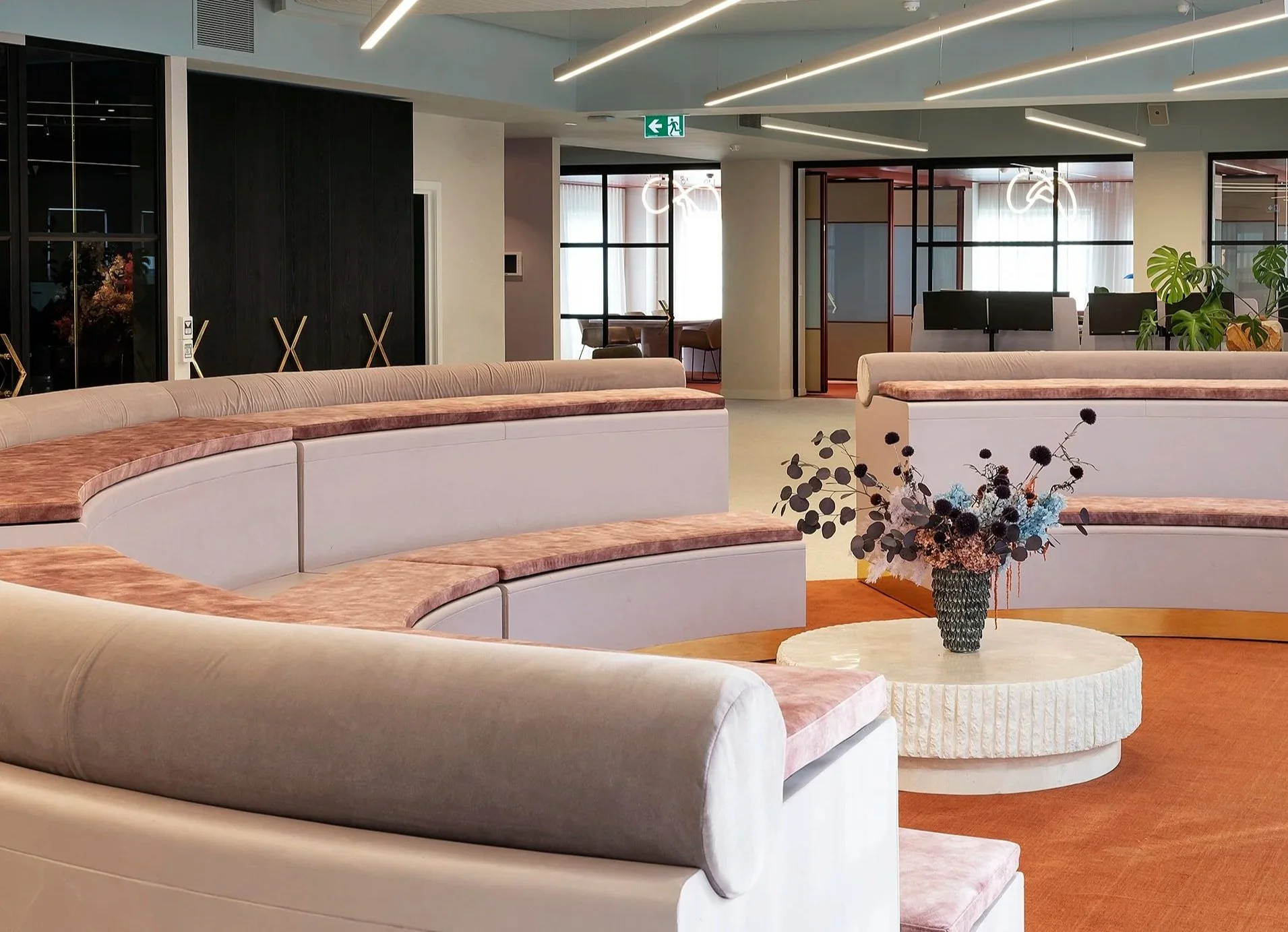
Custom finishes at Tax Traders, designed by Material Creative, who used our custom colour service. Image by Samuel Hartnett.
How colour behaves in polished plaster
Colour in polished plaster is experienced differently from paint. Rather than sitting on the surface, the subtle movement within the finish allows light to interact with the material, giving colour a richness and depth that changes throughout the day.
The degree of polishing also affects the appearance of colour. A higher level of polish can increase the depth and intensity of the colour, while a more textured finish produces greater variation across the surface. When a dark colour is combined with a higher level of polish and a penetrating sealer, the result can be a particularly rich and deep appearance.
Texture, polish and light
Light reveals texture
Texture affects the way light moves across the surface. More pronounced textures create greater variation between areas of light and shade, while smoother finishes provide a more consistent reflection of light.
Consider the space
In brightly lit spaces, the relationship between colour and texture becomes particularly important. A darker colour with a medium texture, or a combination of two tones, can provide depth without creating excessive visual contrast.
Consider the lighting
Natural light changes throughout the day according to the orientation of the room, windows and skylights. Artificial lighting also affects the appearance of the finished surface. The position and direction of fittings, colour temperature and localised sources such as wall sconces, LED lighting and fireplaces can all influence how colour and texture are perceived.
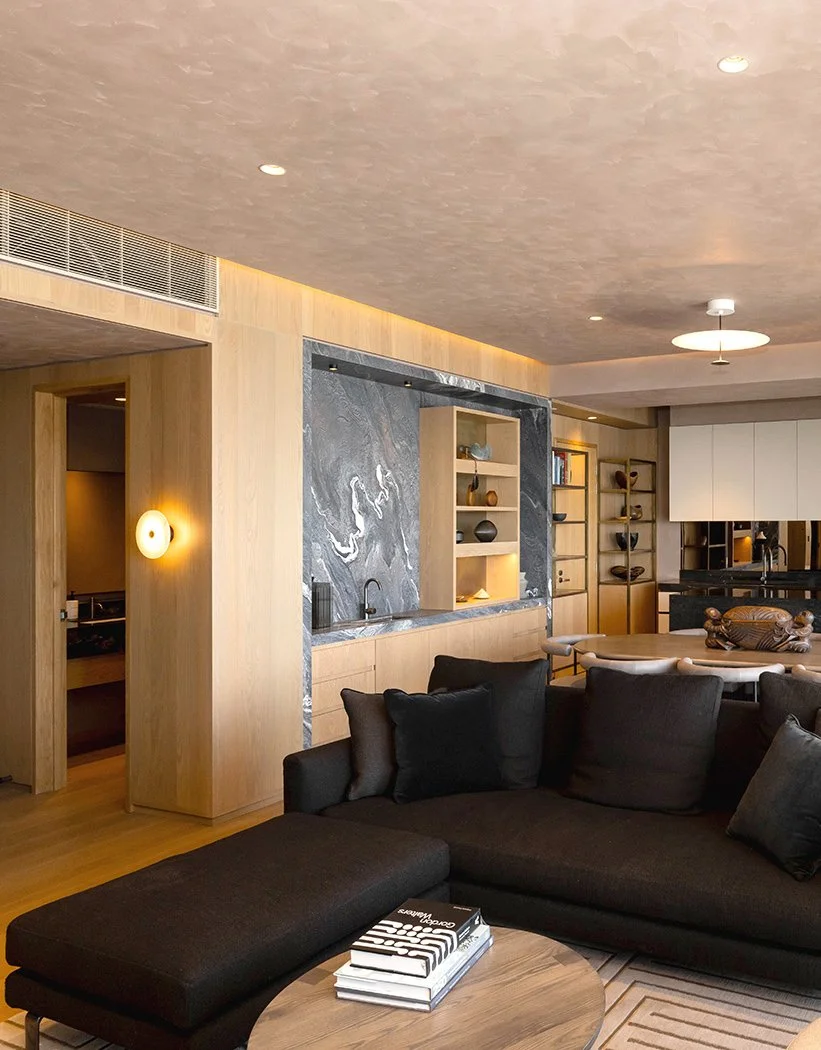
Custom Mauve two-tone at The InterContinental Auckland by Warren & Mahoney. Image by Jono Parker.
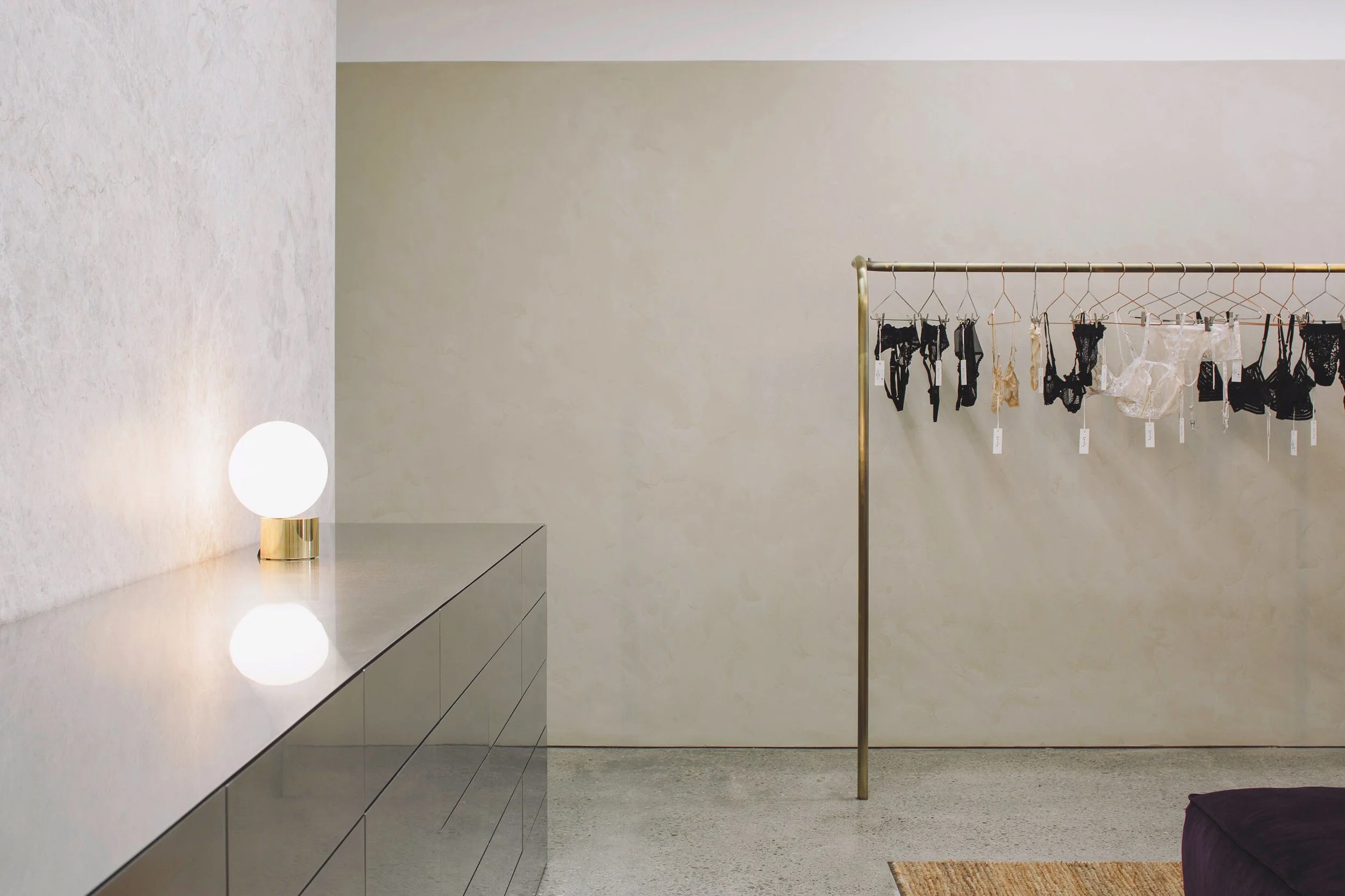
Custom finish - Lonely Grey at Lonely Wellington by Knight Associates. Image by Simon Wilson
Choosing a custom colour
If you're looking for a colour beyond our standard ranges, Ambitec offers a bespoke colour matching service.
To order a custom colour sample:
Provide a reference
Please provide us with a brush out or drawdown of your paint colour that you are wanting to match or a sample of your tile or wallpaper if something specific from your project’s material palette.
Select the plaster
Let us know which plaster product you want customised - Suave, SuaveStone or SuaveCrete.
Select the finish
Specify the polish and texture level - A standard medium texture and polish will produce a different appearance from a more highly polished finish. The level of polish can affect the way the colour is perceived, so the sample should reflect the finish intended for the project.
How Ambitec matches custom colours
Ambitec's colour matching is carried out by eye, adjusting individual pigments through a series of iterations to achieve the desired tone. Because the colour changes as the plaster dries and is sanded, each version needs to go through the same process before the final colour can be assessed.
Archival library → visual matching → iterations → drying/sanding → final sample
Allow time for custom sampling
This means colour matching cannot be rushed. Several iterations may be required, and each sample needs time to dry before it can be sanded and assessed. For this reason, please allow at least 2–3 weeks for custom colour matching and sampling.